In the world of manufacturing, where precision and consistency define success, mold surface treatment stands as a critical pillar that bridges design intent and end-product excellence. For KingsMG, a leader in injection molding and mold manufacturing, the process of polishing mold cavities is far more than a routine step—it’s a commitment to quality that starts at the source. Every polished surface, every micron of smoothness, and every rigorous quality check reflects our dedication to delivering products that exceed customer expectations. In this blog, we’ll dive deep into the art and science of mold surface treatment, explore why cavity polishing is non-negotiable for product quality, and showcase how KingsMG’s expertise sets the standard in the industry.
The Significance of Mold Surface Treatment in Manufacturing
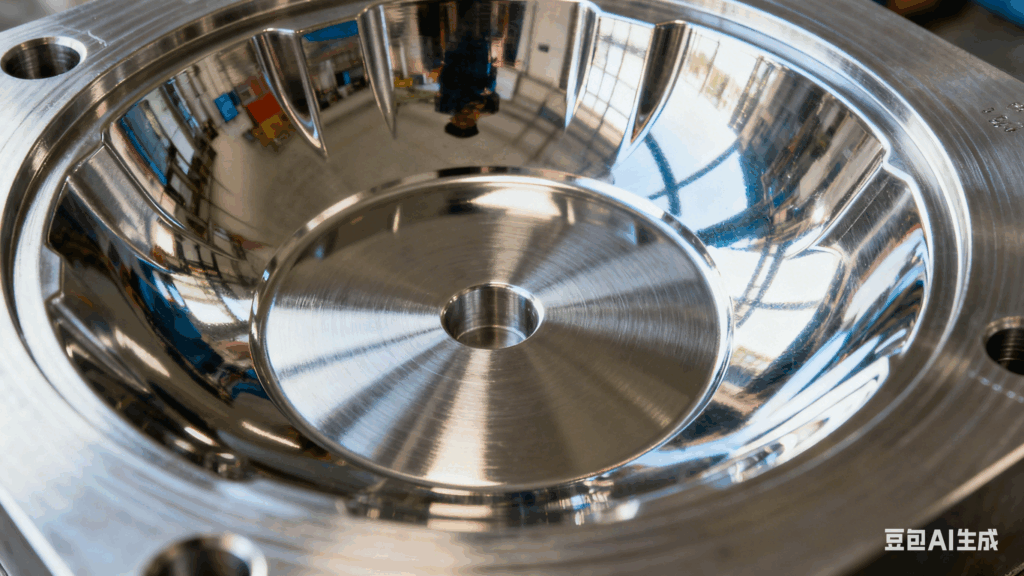
Mold surface treatment is a specialized process that modifies the surface of mold cavities to enhance performance, durability, and the quality of the final product. For injection molding—one of the most widely used manufacturing processes globally—the mold’s surface directly impacts every aspect of the product, from its appearance and texture to its functionality and lifespan. A poorly treated mold surface can lead to a host of issues: rough product surfaces, uneven material flow, adhesion problems, and even premature mold wear. These issues not only compromise product quality but also increase production costs, delays, and customer dissatisfaction.
At KingsMG, we recognize that mold surface treatment is the foundation of reliable manufacturing. Whether producing automotive components, medical devices, consumer electronics, or packaging solutions, the mold’s surface must meet precise specifications to ensure consistency across thousands—even millions—of parts. Polishing, in particular, is a key aspect of our surface treatment process. By refining the mold cavity to achieve optimal smoothness, we eliminate defects such as burrs, sink marks, and flow lines, ensuring that each product emerges with a flawless finish. Moreover, a smooth mold surface reduces friction between the mold and the molten material, improving material flow, reducing cycle times, and extending the mold’s service life. This translates to higher production efficiency, lower maintenance costs, and a more sustainable manufacturing process—all core values at KingsMG.
The Science Behind Mold Cavity Polishing at KingsMG
Polishing a mold cavity is not a one-size-fits-all process; it requires a deep understanding of materials, design, and desired outcomes. At KingsMG, we follow a systematic approach to ensure that every mold meets the highest standards of smoothness and performance. Let’s break down the key steps in our polishing process:
1. Material Selection and Preparation
Before polishing begins, we carefully evaluate the mold material. Common mold materials include steel (H13, S136), aluminum, and stainless steel—each with unique properties that influence the polishing process. For example, steel molds require harder abrasives and more precise techniques to achieve a mirror finish, while aluminum molds are softer and may require gentler polishing to avoid scratches. At KingsMG, we use only high-quality mold materials sourced from trusted suppliers, ensuring that the base material is durable and suitable for the intended application.
2. Rough Polishing (Grinding)
The first stage of polishing is rough polishing, also known as grinding. This step involves removing any surface imperfections, such as tool marks, scratches, or unevenness, left by the machining process. We use diamond grinding tools and abrasive stones to shape the mold cavity and achieve a uniform surface. The goal of rough polishing is to create a smooth base that will facilitate the subsequent polishing stages. At KingsMG, our technicians use precision grinding equipment with computer numerical control (CNC) capabilities to ensure accuracy and consistency. This technology allows us to control the grinding process with micron-level precision, ensuring that the mold cavity adheres to the exact design specifications.
3. Fine Polishing and Buffing
After rough polishing, we move to fine polishing and buffing. This stage involves using progressively finer abrasives to refine the surface and achieve the desired smoothness. We start with medium-grit abrasives (such as 400–800 grit) to remove the scratches left by rough polishing, then move to fine-grit abrasives (1000–2000 grit) for a smoother finish. Finally, we use ultra-fine abrasives (3000–8000 grit) and buffing compounds to achieve a mirror-like shine, if required. At KingsMG, we tailor the polishing sequence to the specific needs of each project. For example, a medical device mold may require a higher level of smoothness to prevent bacterial growth and ensure biocompatibility, while an automotive interior part may need a textured finish for grip and aesthetics. Our team of experienced technicians works closely with customers to understand their requirements and adjust the polishing process accordingly.
4. Quality Inspection and Validation
Quality control is integral to every step of our polishing process. After polishing, each mold cavity undergoes rigorous inspection to verify smoothness, dimensional accuracy, and surface finish. We use advanced measuring tools such as profilometers to measure surface roughness (Ra values) and ensure that they meet the specified standards. A profilometer uses a diamond stylus to scan the surface and generate a detailed profile, allowing us to quantify smoothness with precision. At KingsMG, we set strict quality thresholds for each project—typically, our mold cavities achieve Ra values as low as 0.02–0.05 microns for high-precision applications. Additionally, we conduct test runs with the mold to ensure that the polished surface produces the desired product quality. This validation process includes checking for defects, measuring product dimensions, and evaluating surface finish. Only after passing all quality checks does the mold move to production.
How Mold Polishing Controls Product Quality from the Source
At KingsMG, we believe that quality control starts at the source—and the mold is the source of every product we manufacture. By investing in precision mold cavity polishing, we address potential quality issues before they occur, ensuring that each product meets the highest standards. Here are some key ways that mold polishing contributes to product quality:
1. Eliminating Surface Defects
A polished mold cavity prevents common surface defects such as burrs, flash, sink marks, and flow lines. Burrs and flash occur when molten material seeps into gaps between mold components; a smooth surface reduces these gaps and ensures that the material cools evenly. Sink marks, which are depressions in the product surface, are caused by uneven shrinkage during cooling. A polished mold allows for better heat transfer, reducing shrinkage inconsistencies and eliminating sink marks. Flow lines, which are visible streaks on the product surface, are caused by uneven material flow. A smooth mold cavity reduces friction, allowing the molten material to flow uniformly and producing a seamless finish.
2. Ensuring Dimensional Accuracy
Dimensional accuracy is critical for products that need to fit or function with other components. A polished mold cavity ensures that the molten material fills the mold evenly and cools uniformly, resulting in products with consistent dimensions. At KingsMG, our polished molds achieve dimensional tolerances as tight as ±0.005 mm, ensuring that each product meets the exact design specifications. This level of precision is essential for industries such as aerospace, medical, and electronics, where even the smallest deviation can affect performance.
3. Enhancing Product Aesthetics
In many industries, product aesthetics are just as important as functionality. A polished mold cavity produces products with a smooth, uniform surface that is free from defects. This is particularly important for consumer products such as electronics, appliances, and packaging, where appearance influences consumer purchasing decisions. At KingsMG, we can achieve a range of surface finishes through polishing, from a matte texture to a high-gloss mirror finish. Our team works with customers to select the ideal finish for their product, ensuring that it meets both aesthetic and functional requirements.
4. Improving Material Release and Mold Longevity
A smooth mold surface reduces adhesion between the mold and the molten material, making it easier for the product to be released from the mold. This not only reduces the risk of product damage during demolding but also improves production efficiency by reducing cycle times. Additionally, a polished surface is less prone to wear and tear, as it minimizes friction and material buildup. At KingsMG, our polished molds have a longer service life, reducing the need for frequent mold maintenance and replacement. This translates to lower production costs and more consistent product quality over time.
KingsMG’s Expertise: Setting the Standard in Mold Surface Treatment
What sets KingsMG apart in the field of mold surface treatment? It’s our combination of advanced technology, experienced personnel, and unwavering commitment to quality. Here’s how we deliver exceptional results for our customers:
Advanced Technology and Equipment
At KingsMG, we invest in the latest polishing technology and equipment to ensure precision and efficiency. Our state-of-the-art polishing facilities include CNC grinding machines, ultrasonic polishers, and laser surface finishers, which allow us to handle even the most complex mold designs. For example, ultrasonic polishers use high-frequency vibrations to remove surface imperfections without damaging the mold material, making them ideal for intricate cavities and hard-to-reach areas. Laser surface finishers use laser energy to refine the surface, achieving ultra-smooth finishes with minimal material removal. By leveraging these advanced tools, we can meet the most demanding polishing requirements and deliver consistent results.
Experienced and Skilled Technicians
Technology is only as good as the people who operate it. At KingsMG, our team of polishing technicians has decades of combined experience in mold surface treatment. They undergo rigorous training to master the latest polishing techniques and stay updated on industry best practices. Our technicians have a keen eye for detail and a deep understanding of how different materials and designs respond to polishing. This expertise allows them to adapt the polishing process to each project’s unique needs, ensuring that the final mold meets the highest standards of quality. Whether working on a simple mold or a complex, multi-cavity design, our technicians bring the same level of precision and care to every project.
Customer-Centric Approach
At KingsMG, we believe that successful mold surface treatment starts with understanding our customers’ needs. We work closely with customers from the initial design phase to the final production run, ensuring that the mold polishing process aligns with their specific requirements. Our team of engineers and technicians collaborates with customers to determine the ideal surface finish, dimensional tolerances, and performance criteria. We provide regular updates throughout the polishing process and conduct thorough quality inspections to ensure that the mold meets their expectations. This customer-centric approach has earned us a reputation for reliability and excellence, with many customers returning to us for their most critical projects.
Commitment to Continuous Improvement
The manufacturing industry is constantly evolving, and so is KingsMG. We are committed to continuous improvement, investing in research and development to stay ahead of the latest trends and technologies in mold surface treatment. Our R&D team explores new polishing techniques, materials, and equipment to enhance our capabilities and deliver even better results for our customers. We also gather feedback from customers and use it to refine our processes, ensuring that we address any issues and meet changing market demands. This commitment to innovation has allowed us to maintain our position as a leader in the industry and deliver cutting-edge solutions to our customers.
Case Study: How Mold Polishing Transformed a Customer’s Product Quality
To illustrate the impact of our mold surface treatment, let’s look at a recent case study. A leading manufacturer of medical devices approached KingsMG with a challenge: their existing molds were producing products with rough surfaces and inconsistent dimensions, leading to product rejects and regulatory compliance issues. The medical devices required a smooth surface to prevent bacterial growth and ensure compatibility with bodily fluids, as well as tight dimensional tolerances to fit with other components.
Our team at KingsMG worked closely with the customer to analyze the existing molds and identify the root causes of the quality issues. We determined that the mold cavities were not properly polished, leading to surface defects and uneven material flow. We recommended a comprehensive polishing process, including rough grinding, fine polishing, and buffing, to achieve a surface roughness of Ra 0.03 microns.
After implementing our polishing solution, the customer saw a dramatic improvement in product quality. The medical devices now had a smooth, uniform surface free from defects, and dimensional accuracy improved by 95%. Product rejects decreased from 15% to less than 1%, and the customer was able to meet regulatory compliance requirements with ease. Additionally, the polished molds had a longer service life, reducing maintenance costs by 30%. This case study is just one example of how KingsMG’s mold surface treatment expertise can transform our customers’ manufacturing processes and deliver tangible results.
Conclusion: Polishing the Path to Manufacturing Excellence
Mold surface treatment is a critical aspect of manufacturing that directly impacts product quality, efficiency, and durability. At KingsMG, we understand that every polished mold cavity is a step toward excellence, and we are committed to delivering the highest standards of quality and precision to our customers. Through our systematic polishing process, advanced technology, experienced team, and customer-centric approach, we have established ourselves as a leader in mold surface treatment.
Whether you’re producing medical devices, automotive components, consumer electronics, or any other product, KingsMG’s mold surface treatment solutions can help you achieve superior product quality, reduce costs, and improve efficiency. We work closely with you to understand your unique needs and deliver tailored solutions that meet your specific requirements. With KingsMG as your partner, you can trust that your molds are in expert hands, and your products will exceed expectations.
If you’re looking to enhance your manufacturing process and take your product quality to the next level, contact KingsMG today. Our team of experts is ready to help you polish the path to success.